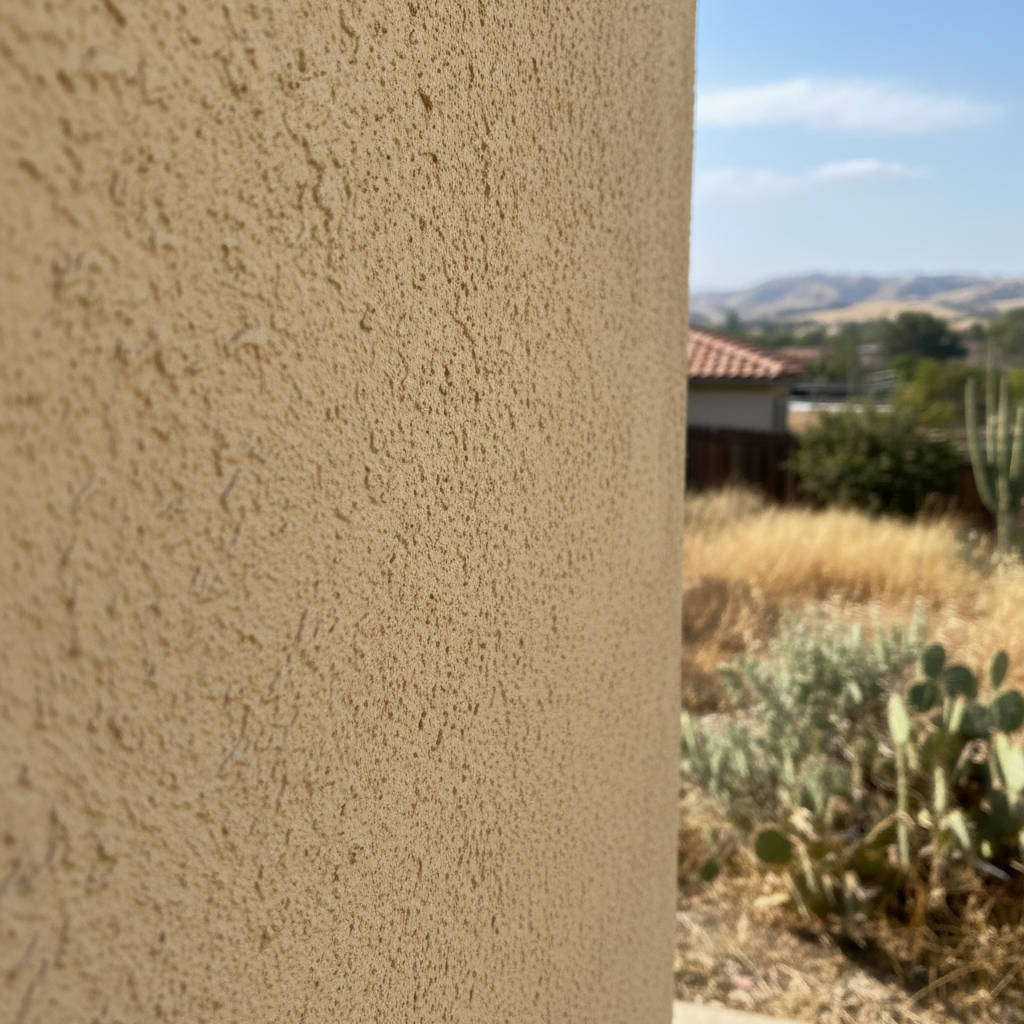
Thinking about painting your stucco home? Good. It's a smart way to protect your investment and boost curb appeal, no doubt. But you've probably got questions, right? Most folks do. I've been doing this work in Escondido for a long time, and I hear the same things come up again and again. So, let's just get into it. Here are the answers to the most common stucco painting questions I get from homeowners around here.
Do I really need to clean my stucco before painting?
Absolutely, you do. This isn't an optional step; it's critical. Think about it: your stucco has been sitting out in the Escondido sun, wind, and occasional rain for years. It's collected dust, dirt, pollen, maybe some mildew, especially on those north-facing walls that don't get as much sun. Painting over that grime is like trying to put a sticker on a dusty car – it just won't stick right, and it certainly won't last. You'll end up with peeling paint, and that means you'll be doing this whole job again way sooner than you should. We usually recommend a good power wash, but it's gotta be done carefully so you don't damage the stucco itself. Sometimes, a mild detergent is needed for stubborn spots.
What kind of paint is best for stucco?
This is a big one, and it's where a lot of DIYers go wrong. You can't just grab any old exterior paint. Stucco needs a paint that breathes and stays flexible. Why? Because stucco is a porous material, and it moves a little with temperature changes. If you use a rigid, non-breathable paint, moisture can get trapped behind it, leading to bubbling, cracking, and peeling. You want 100% acrylic latex paint. It's specifically designed for masonry surfaces like stucco. It breathes, it's flexible, and it holds up really well to our intense Southern California sun. Don't skimp here; a good quality acrylic latex paint will save you headaches and money down the road.
How many coats of paint does stucco usually need?
Typically, you're looking at two coats. Always. The first coat acts as a primer, really soaking into the stucco and providing a solid base. The second coat is where you get your uniform color, full coverage, and maximum protection. If you try to get away with one coat, especially if you're going from a dark color to a light one or vice versa, you'll likely see streaks, unevenness, and it just won't look professional. Plus, two coats give you double the protection against the elements, which is important for stucco in our climate.
Should I prime the stucco first?
Most of the time, yes, you should. Especially if it's new stucco, unpainted stucco, or if you've done a lot of repairs. New stucco is very absorbent and needs a primer to ensure the paint sticks properly and you don't end up using three times the amount of paint you planned. If your stucco has been painted before and the existing paint is in good, sound condition, a high-quality 100% acrylic latex paint might be self-priming enough. But for best results and longevity, a dedicated masonry primer is always a good idea. It creates a consistent surface for the topcoats and helps with adhesion.
What about cracks in my stucco? Do I fix those before painting?
Absolutely, 100% yes. This isn't just about aesthetics; it's about protecting your home. Painting over cracks is like putting a band-aid on a broken bone. The cracks are pathways for water to get behind your stucco, which can lead to bigger, more expensive problems down the line, like wood rot or mold. Before any paint touches the wall, every single crack needs to be properly repaired. We use specific elastomeric patching compounds that stay flexible and prevent the cracks from reopening. If you've got hairline cracks, those might just need a good fill. Bigger cracks, though, might indicate a deeper issue that needs a closer look before you even think about painting. This is where a company like Escondido Stucco Solutions can really help – we'll assess those cracks and make sure they're properly addressed.
How long does stucco paint last in Escondido?
With proper preparation, the right paint, and good application, you can expect your stucco paint job to last anywhere from 10 to 15 years, sometimes even longer. Our dry, sunny climate here in Escondido is generally pretty kind to paint, but that intense UV exposure can still break down lower-quality paints quickly. The biggest enemies are poor prep, cheap paint, and not fixing underlying issues like cracks or moisture problems. If you cut corners, you'll be repainting in five years, guaranteed. Invest in quality materials and professional work, and you'll get a decade or more of a beautiful, protected home.
Can I paint over textured stucco, like a skip trowel or lace finish?
Yep, you can definitely paint over textured stucco. In fact, most stucco finishes have some texture to them. The key is making sure the paint gets into all those nooks and crannies. This often means using a thicker nap roller or even spraying the paint on and then back-rolling it to ensure full coverage and adhesion. If you've got a really heavy texture, like a dash finish, spraying is usually the most efficient and effective way to get even coverage without missing spots. Just make sure the texture itself is sound and not flaking off before you start.
What's the best time of year to paint stucco in Escondido?
You want mild, dry weather. Here in Escondido, that usually means spring or fall. Summer can get too hot, especially in July and August. Paint doesn't cure properly when it's super hot, and it can dry too fast, leading to issues like blistering or poor adhesion. Winter can be too damp or cold, especially with those morning fogs we sometimes get. You need a few consecutive days of temperatures between 50 and 85 degrees Fahrenheit, with low humidity, for the best results. That gives the paint enough time to dry and cure correctly. So, think late April through June, or September through early November. Those are generally your sweet spots.