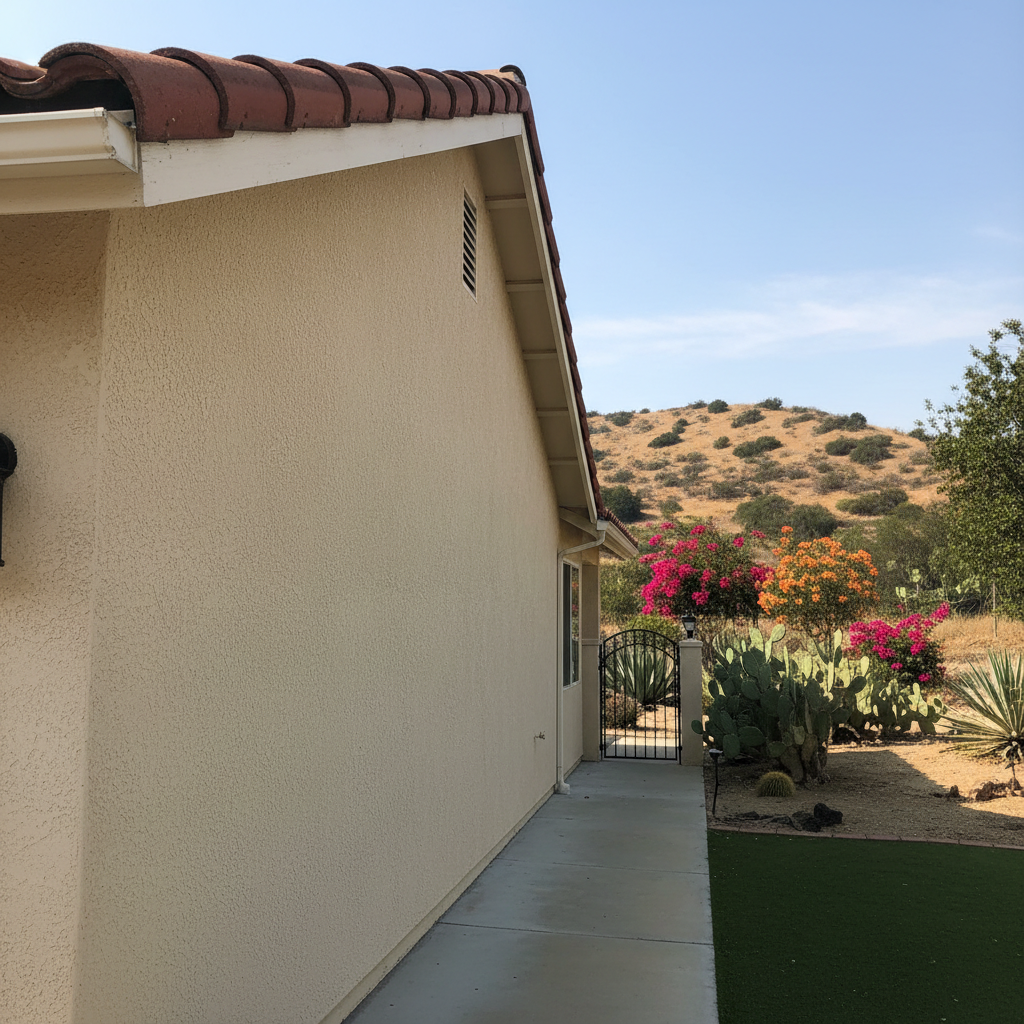
So, you've just put money into a stucco replacement. Maybe your place in the Old Escondido Historic District got a fresh coat, or your home up near Lake Hodges has a whole new look. That's a big investment, and naturally, you want it to last. Good stucco, when it's installed right, really should give you decades without much fuss. But "trouble-free" doesn't mean you can just forget about it. Think about your car, for instance; you wouldn't drive it forever without an oil change, would you?
Making Your Stucco Last Longer
The simplest way to extend the life of your new stucco is, well, pretty straightforward: keep it safe from water. This might sound obvious, but water is truly its biggest enemy. Here's what I always tell my clients:
- Keep it Clean: Dirt, dust, and grime aren't just unsightly; they can actually trap moisture against the stucco's surface. A gentle wash once a year usually does the trick, maybe twice if you live on a particularly dusty road. Just grab a garden hose and a soft brush. Skip the high-pressure washers unless you're really experienced – you could easily damage the finish.
- Check Your Gutters and Downspouts: This one is super important. If your gutters are clogged, or your downspouts aren't directing water far enough from your foundation, that water will just stream down your stucco. Over time, this leads to stains, erosion, and eventually, it'll compromise the material itself. So, make sure they're clear and extend at least a few feet away from the house.
- Mind Your Landscaping: Plants and shrubs look nice, sure, but they shouldn't be touching your stucco. They hold moisture right up against the wall, block air from circulating, and can even scratch the surface. Trim them back; give your walls some breathing room.
- Paint Matters: If your stucco is painted, a good quality exterior paint adds an extra layer of protection. When it's time to repaint – typically every 7-10 years, depending on the paint and how much sun it gets – don't cheap out on the quality.
Regular Maintenance: What to Keep an Eye On
You don't need to be a stucco expert to spot potential problems. Just a quick walk around your house a couple of times a year, maybe after a good rain or before the Escondido summer really heats up, is usually enough. Here's a little checklist:
- Look for Stains: Dark streaks, especially under windows, near the roofline, or where water might collect, are definite warning signs. They usually mean water isn't draining correctly, or there's a leak somewhere above.
- Check for Cracks: Small hairline cracks are pretty normal for stucco as a house settles and temperatures change. Our hot Escondido summers and cooler nights definitely cause some expansion and contraction. But if you see anything wider than a credit card, or cracks that look like a spiderweb, those need attention.
- Inspect Around Openings: Pay close attention to where stucco meets windows, doors, and any utility lines coming into the house. The sealants in these spots are absolutely critical. If they're cracked, peeling, or missing, water can get behind the stucco, and that's when the real headaches begin.
- Feel for Soft Spots: Gently tap on the stucco in different areas. It should feel solid. If you find a spot that feels soft, spongy, or hollow, that could mean water has gotten behind the stucco and is damaging the material underneath.
Warning Signs That Something's Really Wrong
Alright, so you've been doing your regular checks, but sometimes bigger issues pop up. These are the signs that tell you it's time to stop admiring your beautiful stucco and start investigating:
- Persistent Stains: If you've cleaned off a stain and it just keeps coming back, or it's getting darker, there's an ongoing water problem.
- Bulging or Blistering: This is a serious one. If the stucco looks like it's bubbling or pushing out from the wall, it's almost certainly due to trapped moisture or the layers separating.
- Efflorescence: That white, powdery stuff on the surface? That's efflorescence, basically mineral salts left behind when water evaporates from inside the stucco. It means water is getting in and out, bringing minerals with it.
- Stucco Falling Off: This is pretty obvious, right? If pieces are crumbling or detaching from the wall, you've got a significant problem that needs immediate attention.
When to Call a Professional
Look, I'm a big fan of DIY, but some things are just better left to the experts. If you spot any of the serious warning signs – bulging, widespread cracking, constant water intrusion, or stucco actually falling off – don't wait. Call someone who knows what they're doing. Trying to patch over a major water issue yourself is kind of like putting a band-aid on a broken leg; it won't fix the core problem and could even make things worse.
Even for smaller issues, if you're not comfortable or just not sure about what you're seeing, it's always smarter to get a professional opinion. A small repair now can prevent a huge, expensive replacement later. Here at Escondido Stucco Solutions, we've honestly seen it all, from minor cracks to really extensive water damage. We can assess the situation, tell you exactly what's going on, and give you an honest recommendation. Your stucco is a big part of protecting your home and keeping it looking good, so taking care of it properly just makes good sense.