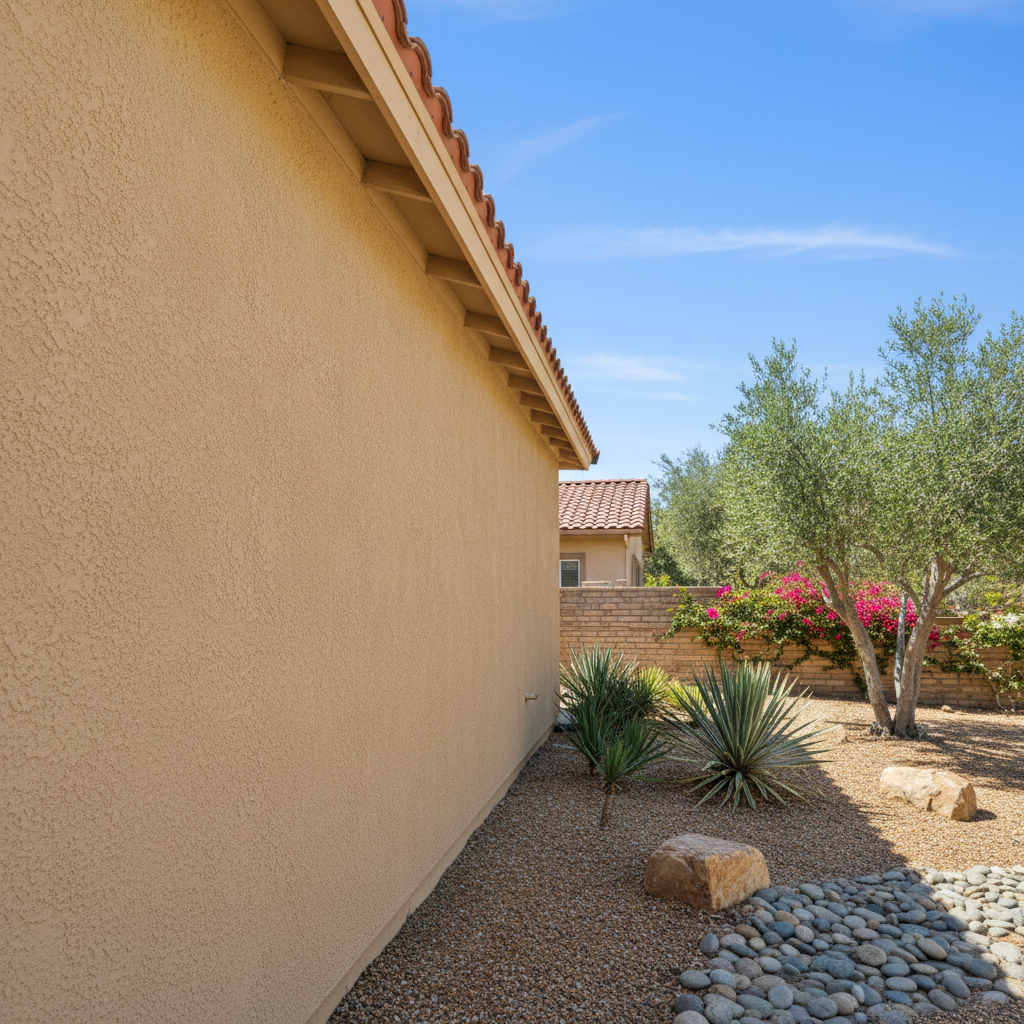
Alright, let's talk stucco for a minute. You've got it on your Escondido home for good reasons: it's tough, it looks great, and it holds up pretty well against our local weather. But just because it's "tough" doesn't mean you can forget about it. I've seen way too many folks ignore their stucco, only to end up with bigger, more expensive headaches down the road. So, here's the lowdown on keeping your stucco sharp and doing its job for years to come.
Making Your Stucco Last Longer
Your stucco can have a really long life, but you've got to treat it right. A big part of that, especially here in Escondido, means understanding our specific climate. We get those scorching, dry summers where it can easily hit 95-105°F, then cooler winters with some serious rain now and then. That constant back-and-forth from hot to cool, dry to wet, really puts a strain on the material. It makes the stucco expand and contract, which can cause cracks if you're not careful.
- Seal it up: Think of sealing your stucco like putting sunscreen on it. A good quality sealant helps protect it from the sun's harsh UV rays, which can fade the color over time. Plus, it creates a barrier against moisture – pretty important, right?
- Watch your landscaping: Keep your plants, bushes, and especially your irrigation systems a good distance from your stucco walls. If sprinklers are constantly hitting the wall or foliage is holding dampness against it, you're just asking for trouble. Also, make sure your weep screeds – those small metal strips at the bottom of your stucco – aren't buried by soil or landscaping. They're designed to let moisture out, and if they're blocked, water just gets trapped inside.
- Good drainage is crucial: This really goes hand-in-hand with managing your landscaping. Double-check that your gutters and downspouts are clean and directing water well away from your home's foundation. Water pooling around the base of your house is a major no-no for stucco.
Regular Upkeep: Keep it Clean, Keep it Healthy
You don't need to baby your stucco, but a little regular attention can make a huge difference. I always tell my clients to do a quick walk-around inspection at least once or twice a year.
- Gentle cleaning: Dirt, dust, and even mildew can build up, especially in shady spots. For most cleaning, a garden hose with a mild detergent and a soft-bristled brush is all you'll need. Just make sure to rinse it thoroughly. If you've got tougher grime, you *can* use a pressure washer, but you have to be super careful. Keep the pressure low (under 1,500 psi) and hold the nozzle at least two feet away. You really don't want to blast through the finish or force water into cracks. And please, never use harsh chemicals or abrasive tools.
- Check those vulnerable spots: Pay extra close attention to areas around windows, doors, rooflines, and anywhere pipes or fixtures go through the wall. These are common places for water to sneak in. Look for any gaps in the caulking or flashing.
- Seasonal checks: After our winter rains, take a good look for any new cracks or water stains. In the summer, check those south and west-facing walls for signs of drying or fading from the intense sun.
Warning Signs of Stucco Problems
Your stucco usually gives you clues when something's wrong; you just need to know what to look for. Catching these issues early can really save you a bundle.
- Cracks: Hairline cracks are pretty common and often just a cosmetic thing. But if you see cracks that are getting wider, are more than 1/8 inch wide, or form a spiderweb pattern, that's a red flag. Those can let water get behind the stucco and cause much bigger problems.
- Discoloration and Staining: Dark streaks, white powdery deposits (that's called efflorescence), or rust-colored stains are clear indicators of moisture issues. You'll often see these around windows, under eaves, or near the ground. Efflorescence, while not directly damaging itself, tells you water is getting in and evaporating, leaving mineral salts behind.
- Bulging, blistering, or soft spots: If you notice areas where the stucco is bubbling, bulging out, or feels soft and spongy when you press on it, that's a serious sign of trapped moisture and delamination. This means the stucco is separating from the wall underneath, and you likely have water damage.
- Mold or mildew: Persistent mold or mildew growth, especially in spots that aren't usually damp, points to ongoing moisture problems.
- Crumbling or flaking: If pieces of stucco are crumbling or flaking off, the material's integrity is compromised. That's not good.
When to Call a Professional
Look, I'm all for DIY when it makes sense. Patching a tiny hairline crack with a stucco repair kit? Go for it. But there comes a point where you really need to call in the pros, and ignoring those warning signs I just mentioned is a surefire way to turn a small fix into a major overhaul.
You should absolutely call Escondido Stucco Solutions or another qualified contractor if you see:
- Widespread or growing cracks: If cracks are getting bigger, running diagonally from window corners, or you've got a whole bunch of them, you need an expert to figure out the root cause.
- Bulging, soft spots, or delamination: These are almost always signs of significant moisture intrusion and potential damage to the underlying structure. This isn't just a cosmetic fix, folks.
- Persistent staining or efflorescence: If you've cleaned it and the stains keep coming back, or you can't figure out where the moisture is coming from, a professional can diagnose the problem. We've got moisture meters and other tools to see what's happening behind the wall without tearing everything open right away.
- Damage around windows, doors, or rooflines: These are critical areas where flashing and sealing need to be perfect. If they're failing, water can get into your wall cavity, leading to rot and mold.
- Any concerns about improper installation: Sometimes, the problems actually stem from how the stucco was put on in the first place. If you suspect this, get a professional opinion.
Don't wait until you've got a mushroom farm growing in your wall. Early detection and professional repair can save you a ton of stress and money in the long run. We're here to help you keep your Escondido home's stucco strong and looking beautiful.